awesomescope
As parents we all know the stress which raising a child can bring. So many concerns, worries and problems – but all come alongside the many joys which children bring. Trying to balance life with a child whilst ensuring that child is calm, focused and achieving isn’t easy! Mindfulness is a powerful tool which can help not just children but also adults.
It’s the simple idea of being present – of doing nothing but focusing on what is around you and being in the moment. It doesn’t involve chants, songs, special equipment, or training and that’s why it’s been adopted in so many schools. You can start your child’s journey with mindfulness at any age. It doesn’t matter if they’re 2 or 12 – or any age!
Introducing mindfulness
A good way to begin with mindfulness is to talk to your child about moments of stress. Discover when in their day they feel worried or stressed and then tell them you have a way to help them.
The best way is via demonstration. Lead your child to a calm, quiet place and ask them to sit down beside you. Now talk to them in a calm, quiet voice about what they are hearing. Tell them they can close their eyes if they want to. They will almost instantly relax as they concentrate on listening. They will tell you what they hear, and they may, if they’re small, become quite excited. That’s fine. Just encourage them to sit still if possible. If not, don’t worry!
Next, ask them to notice what they’re feeling physically. Can they feel their socks? What about the hair on their neck? Do they notice where their hands are lying? Now ask them what they see. Noticing the dust motes in the air, the plant nearby, the grains of sand on the floor – whatever is nearby. Now tell them you are both going to sit and notice things quietly together and simply notice them – there’s no need to comment on them or have any feelings about them unless that happens naturally. They only need to be still if possible.
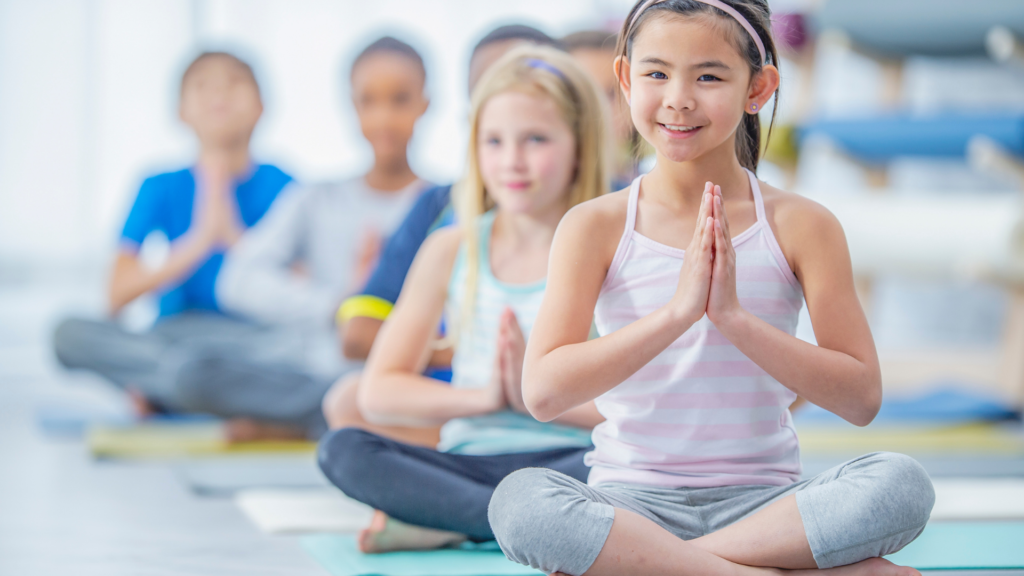
Using mindfulness in times of stress
When children get emotional it can be quite hard to calm them. This is where mindfulness can come in. Encourage your child to take a deep breath and notice the environment. As they become more aware of the physical world, they should begin to exit the world of emotions and calmness should take over.
The great thing about mindfulness is that children can practice it alone. They can do it in school, whilst alone or in company. This Sixth Form in London provides a calm, supportive environment for its pupils and this is vital for growing children who are in a crucial period of their development.