awesomescope
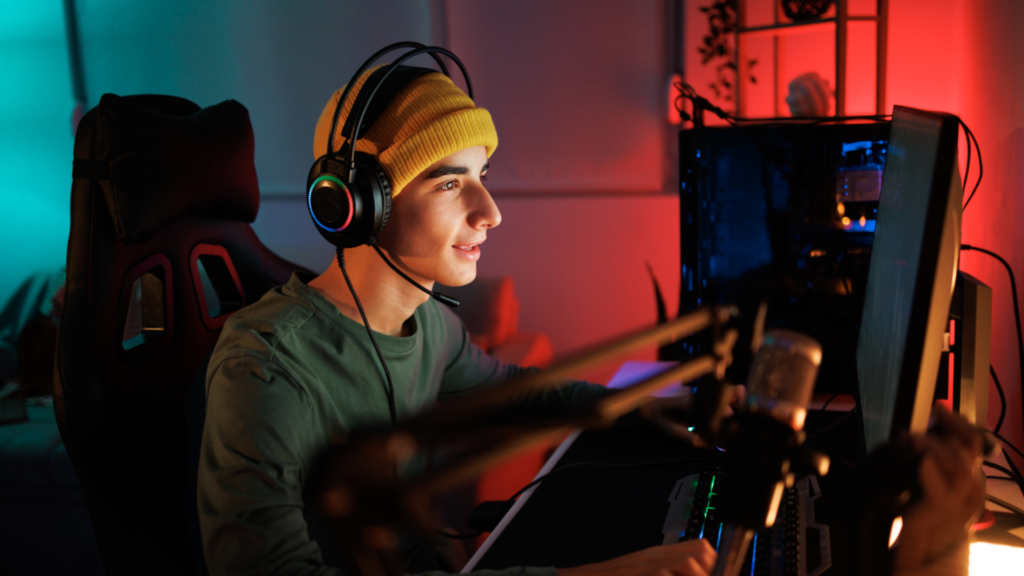
In today’s digital age, video games are a popular pastime for children. While they can offer educational and entertainment benefits, excessive gaming can impact school performance, sleep patterns, and physical activity. Here are some effective strategies for managing your child’s video game usage and promoting a balanced lifestyle.
1. Set Clear Limits on Screen Time
Setting time limits on gaming is crucial. According to the American Academy of Paediatrics, children between the ages of 6 and 12 should ideally have no more than two hours of recreational screen time each day. Discuss these limits with your child so they understand why boundaries are important. Explain that too much screen time can affect their health and well-being, such as impacting their eyesight, reducing time for physical activities, and affecting their academic focus.
Consider using timers or setting alarms to signal when it’s time to take a break. Many consoles and devices also offer parental control features that allow you to set usage limits directly on the device. This will help enforce boundaries consistently without creating a struggle every time gaming time ends.
2. Establish a Reward System
This London private school recommends a reward system, as it can be an excellent way to balance video game time with other responsibilities. For instance, allow gaming as a reward for completing homework, chores, or outdoor play. This approach teaches your child about prioritising obligations over entertainment and helps them develop a balanced routine.
Rewards don’t always have to be gaming-related. Offer alternatives such as watching a favourite show, family game nights, or going out for an activity your child enjoys. This will help diversify their interests and reduce dependence on video games for fun.
3. Encourage Other Hobbies and Physical Activities
One of the best ways to limit gaming time is to encourage other interests. Enrol your child in a sport, music class, or other hobbies to introduce them to non-digital activities. Outdoor activities or team sports can help them make friends, stay active, and develop valuable skills.
Creating a schedule that incorporates time for activities like reading, art, or a sport can prevent gaming from becoming the main focus of your child’s day. By offering alternatives, you show them the joy of a balanced lifestyle that includes various forms of engagement.
4. Be a Role Model
Children often emulate their parents’ behaviour. If they see you limiting your own screen time, they’re more likely to accept similar boundaries for themselves. Try engaging in activities with them, such as board games, going for walks, or reading together. Being a positive role model and joining them in offline activities will help demonstrate that screen time is just one part of a healthy, active life.
5. Monitor the Games They Play
Not all games are created equal, and some may be more appropriate for your child than others. Research the games your child wants to play, and make sure they’re age-appropriate and aligned with your family’s values. Additionally, avoid games with in-app purchases or highly addictive elements, which can lead to longer playtimes.
Using a combination of device restrictions and frequent check-ins about the content of their games will help you stay informed about what they’re consuming digitally and provide guidance when needed.
Managing your child’s video game usage is a matter of setting boundaries, offering alternatives, and being consistent. By establishing clear guidelines, introducing diverse activities, and modelling healthy screen habits, you can help your child enjoy video games responsibly as part of a balanced lifestyle.