awesomescope
Helping your child develop strong social skills is one of the most valuable things you can do as a parent. These skills shape how they build friendships, handle conflict, and navigate the world with confidence. While some children naturally gravitate towards social interaction, others may need a bit more guidance—and that’s perfectly normal.
Why Social Skills Matter
Social skills go far beyond simply making friends. They underpin emotional intelligence, communication, and resilience. Children who can express themselves clearly, listen to others, and empathise are more likely to succeed both academically and personally. Strong social development also contributes to better mental wellbeing, as children feel more connected and understood.
Encouraging Communication at Home
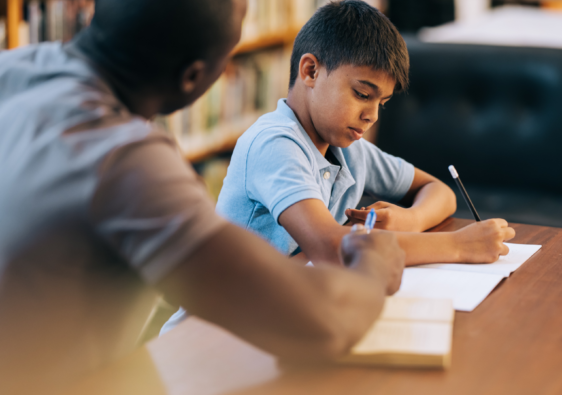
One of the simplest ways to support your child is by modelling good communication. Encourage open conversations at home where your child feels safe to express their thoughts and feelings. Ask open-ended questions like, “What was the best part of your day?” or “How did that make you feel?” This helps them learn how to articulate emotions and engage in meaningful dialogue.
It’s equally important to teach active listening. Show your child what it looks like to pay attention, make eye contact, and respond thoughtfully. These habits form the foundation of positive interactions with others.
The Role of Play
Play is a powerful tool for developing social skills. Whether it’s structured activities like team sports or unstructured playdates, children learn cooperation, sharing, and problem-solving through interaction. Encourage opportunities for your child to engage with peers in different settings, as this builds adaptability and confidence.
If your child is shy or hesitant, start small. Even one-on-one playdates can make a significant difference in helping them feel more comfortable in social situations.
Teaching Empathy and Respect
Empathy is at the heart of strong social skills. Help your child understand different perspectives by discussing feelings and situations. For example, if they’ve had a disagreement with a friend, talk through how the other person might have felt.
Reinforcing respect is just as important. Teach your child to value differences, whether in opinions, backgrounds, or abilities. This not only strengthens relationships but also prepares them for diverse environments later in life.
Navigating Challenges
Every child will face social challenges at some point—whether it’s making new friends, dealing with conflict, or coping with exclusion. Rather than stepping in immediately, guide your child in finding their own solutions. Ask questions like, “What do you think you could do next time?” to encourage problem-solving and independence.
Building resilience is key. Remind your child that setbacks are a normal part of growing up and that each experience helps them learn and improve.
The Influence of Environment
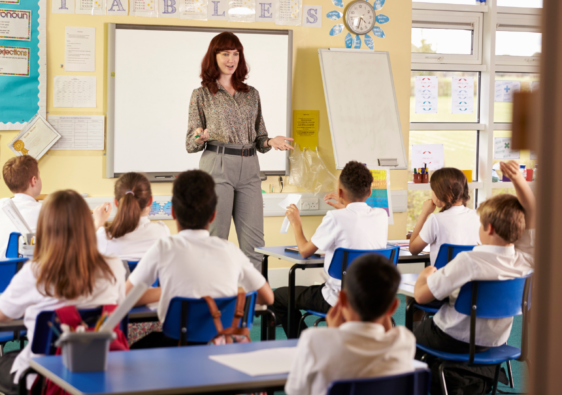
A supportive environment plays a crucial role in social development. Schools, community groups, and extracurricular activities all provide valuable opportunities for interaction. In many cases, academic environments can place a strong emphasis on pastoral care and social development, helping children build confidence and interpersonal skills alongside their academic progress.
Supporting your child’s social skills is an ongoing journey. With patience, encouragement, and the right opportunities, you can help them develop the confidence and empathy needed to thrive. Small, consistent efforts at home and in everyday life can make a lasting difference, setting your child up for positive relationships and success in the future.